Your Voice at Dow Jones & The Wall Street Journal
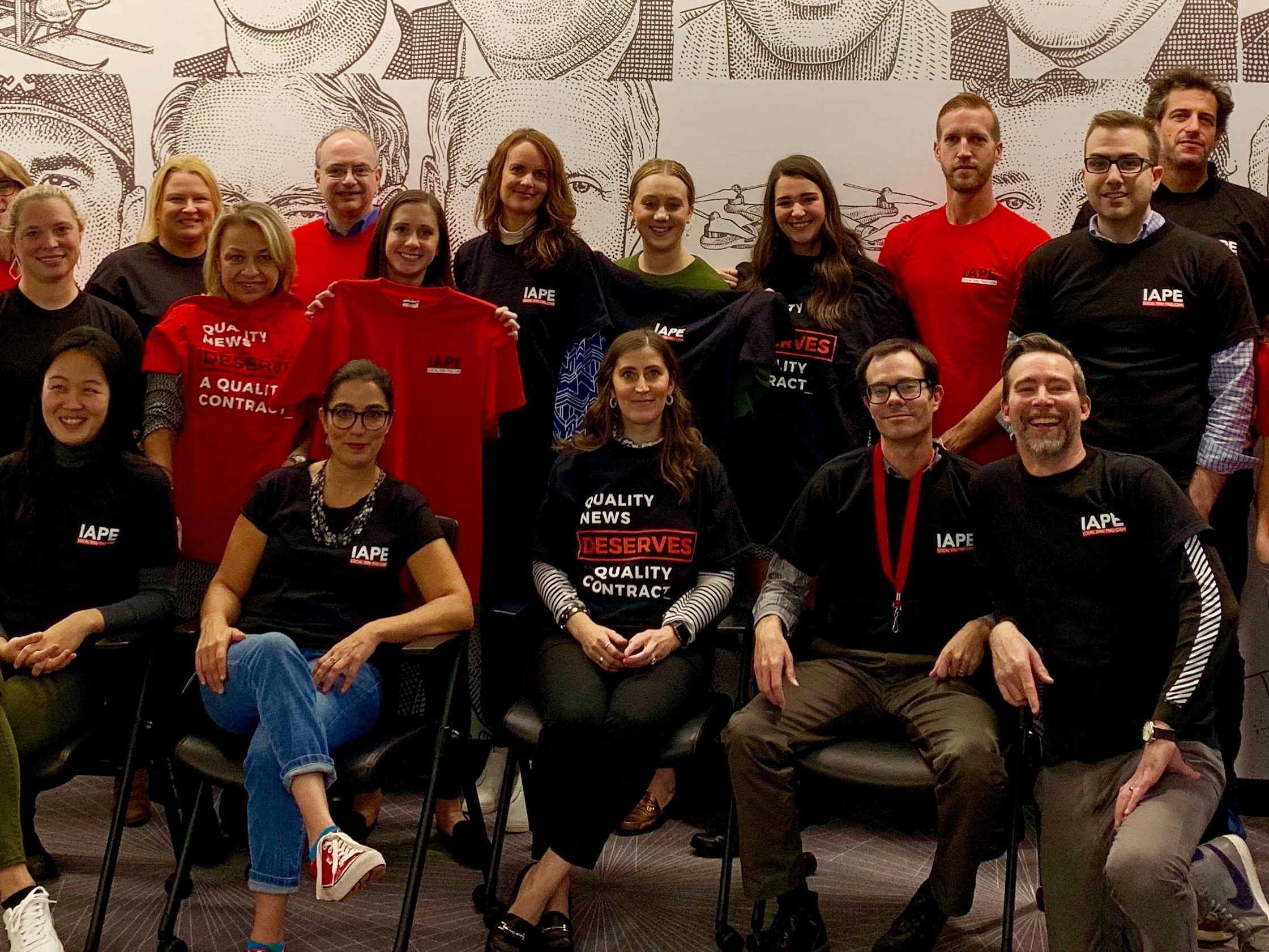
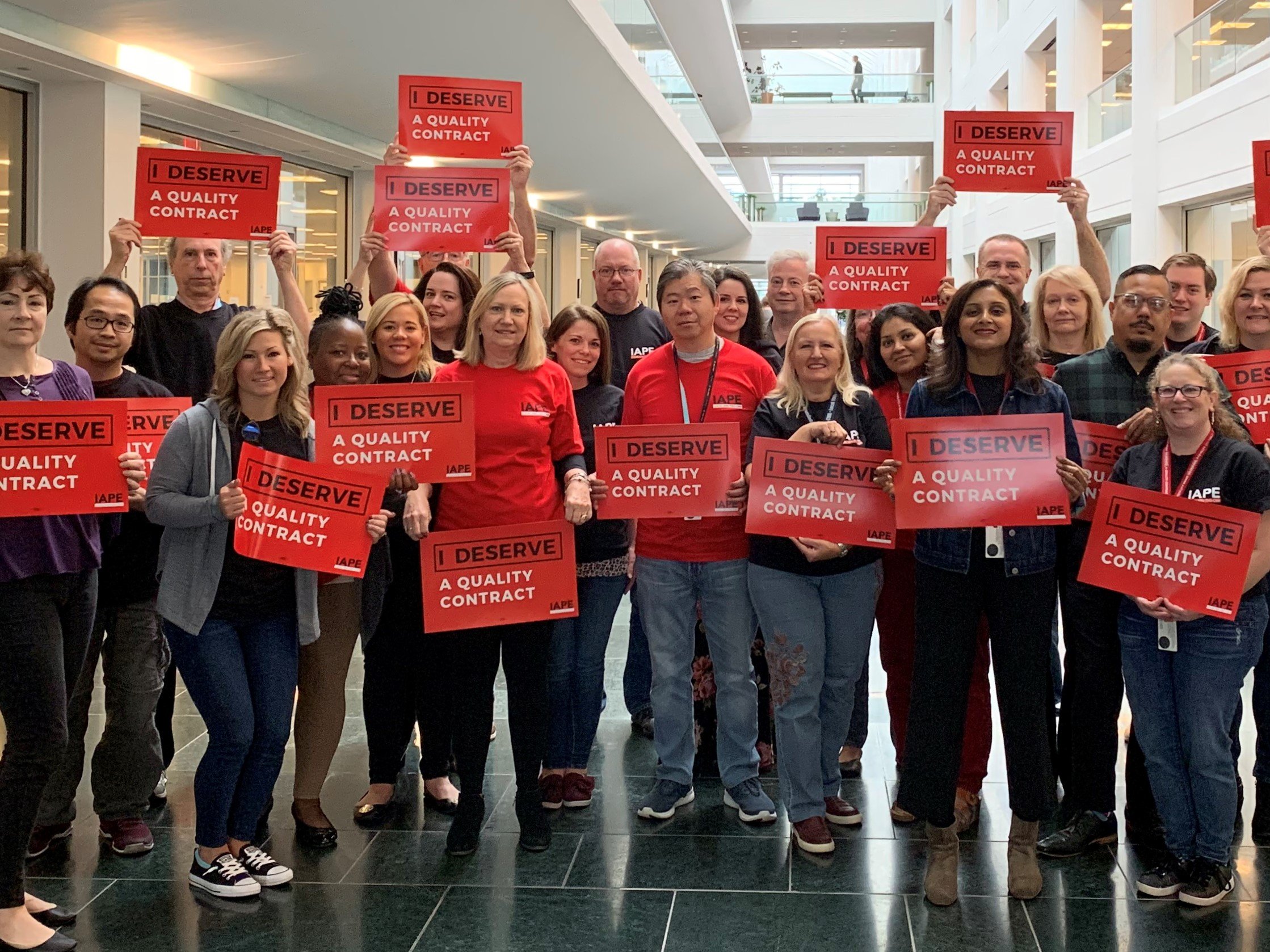
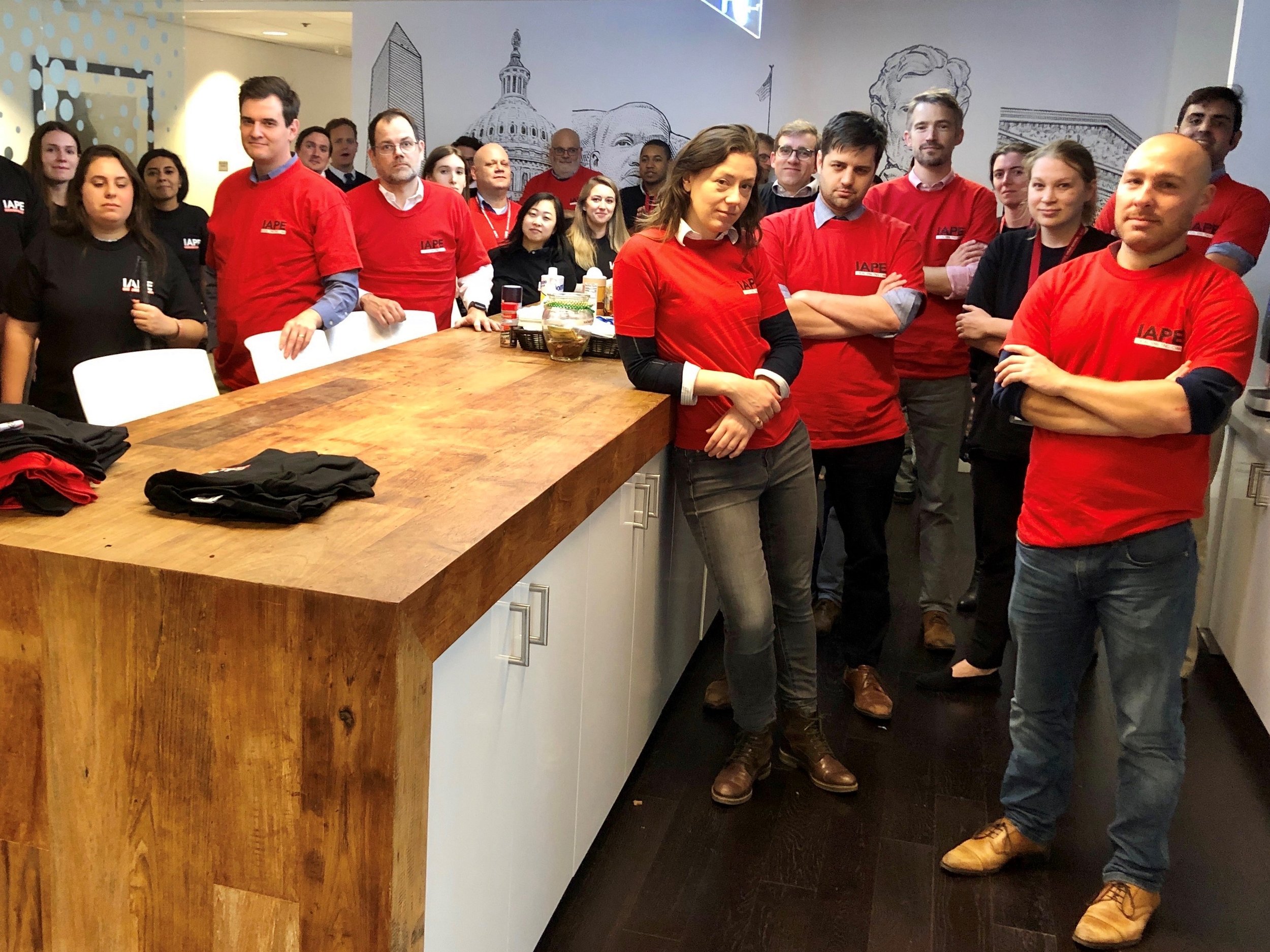
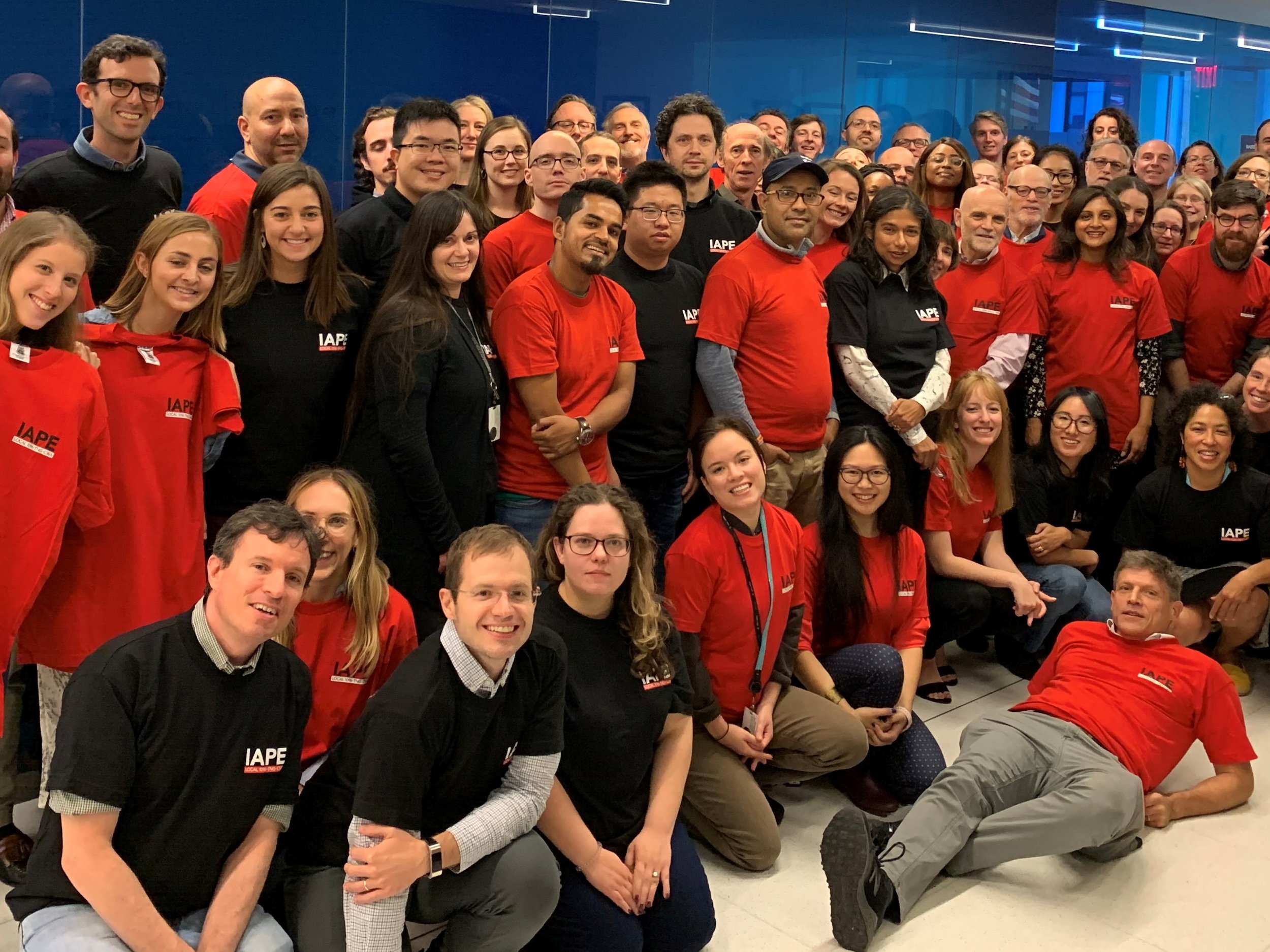
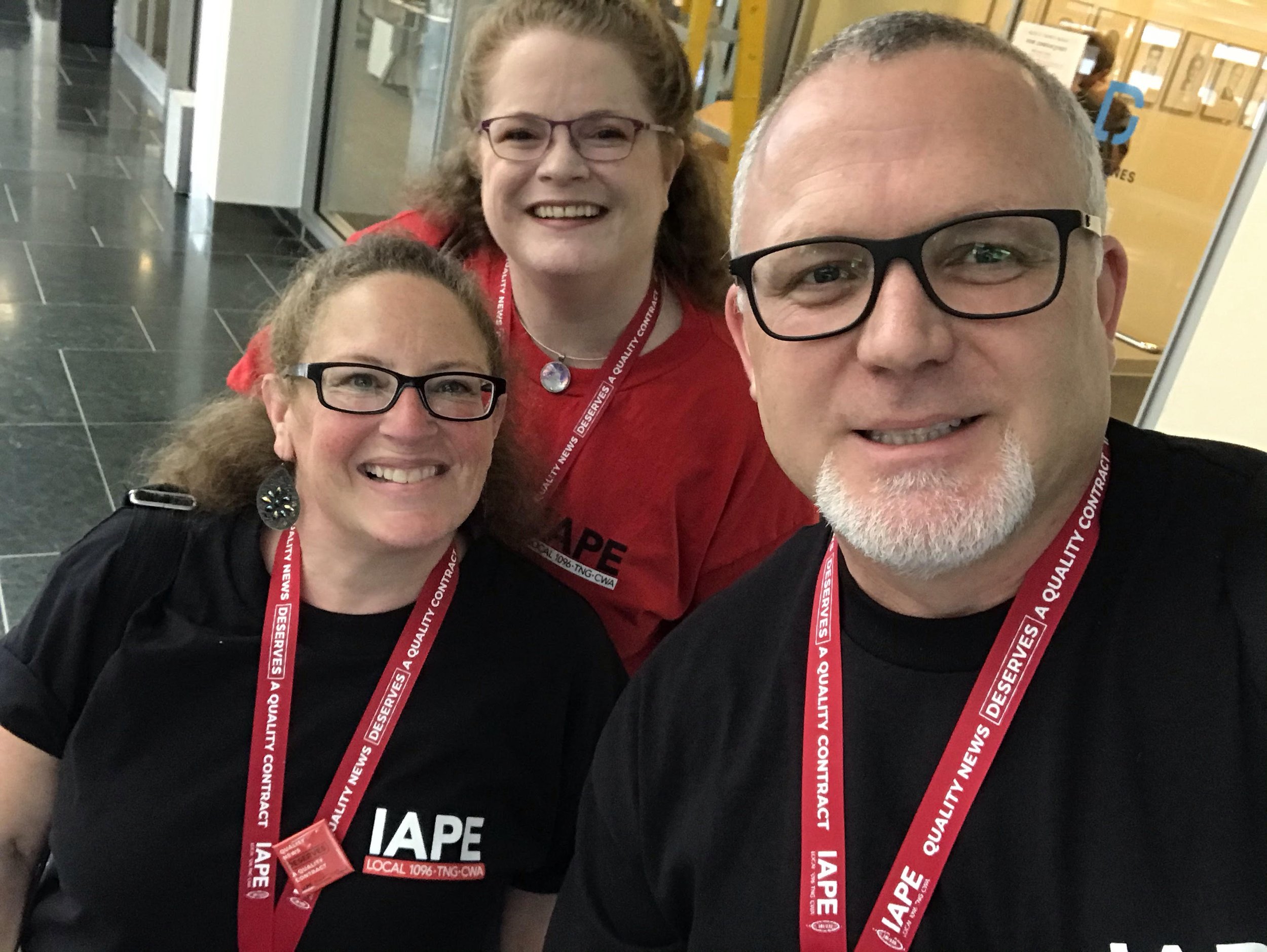
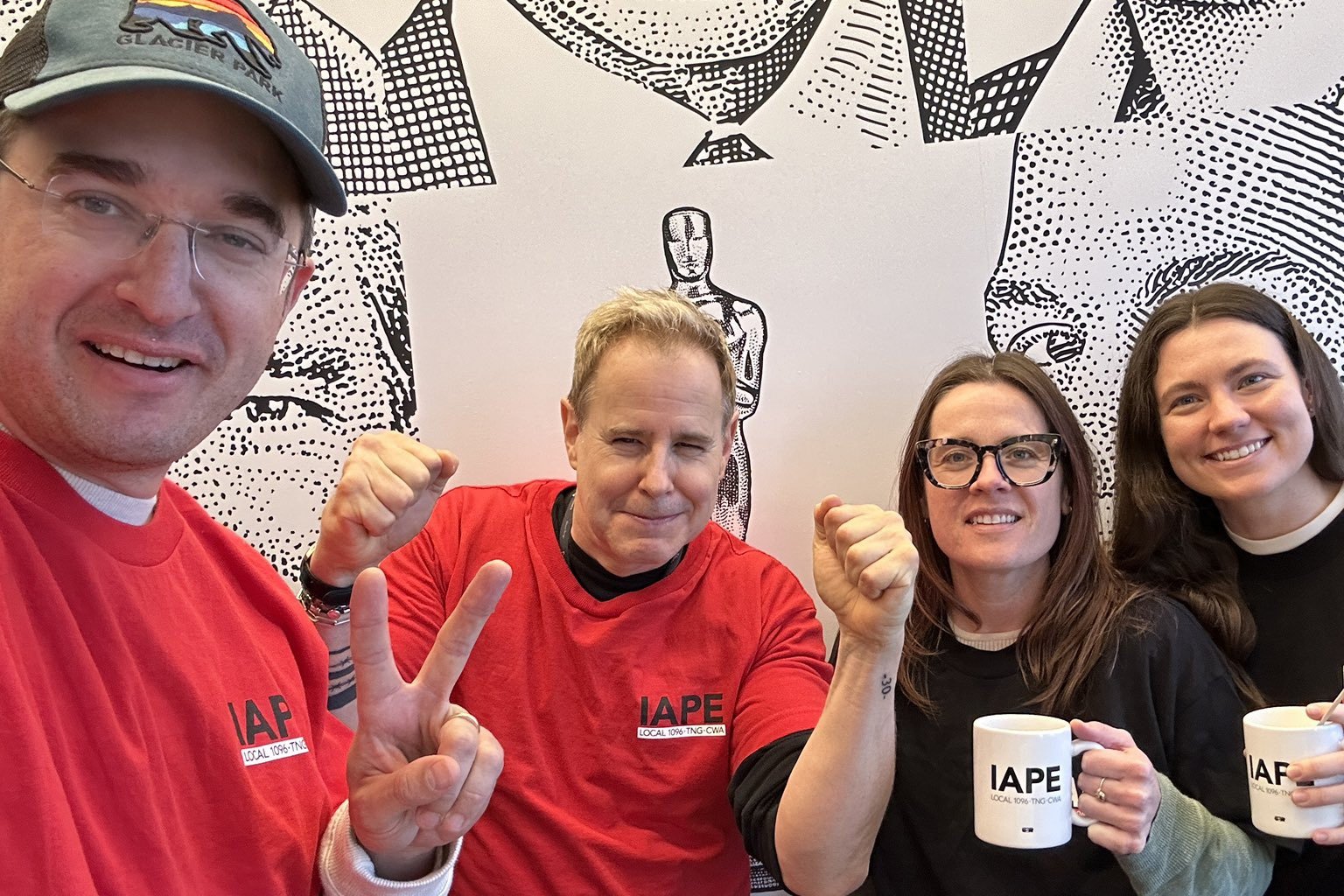
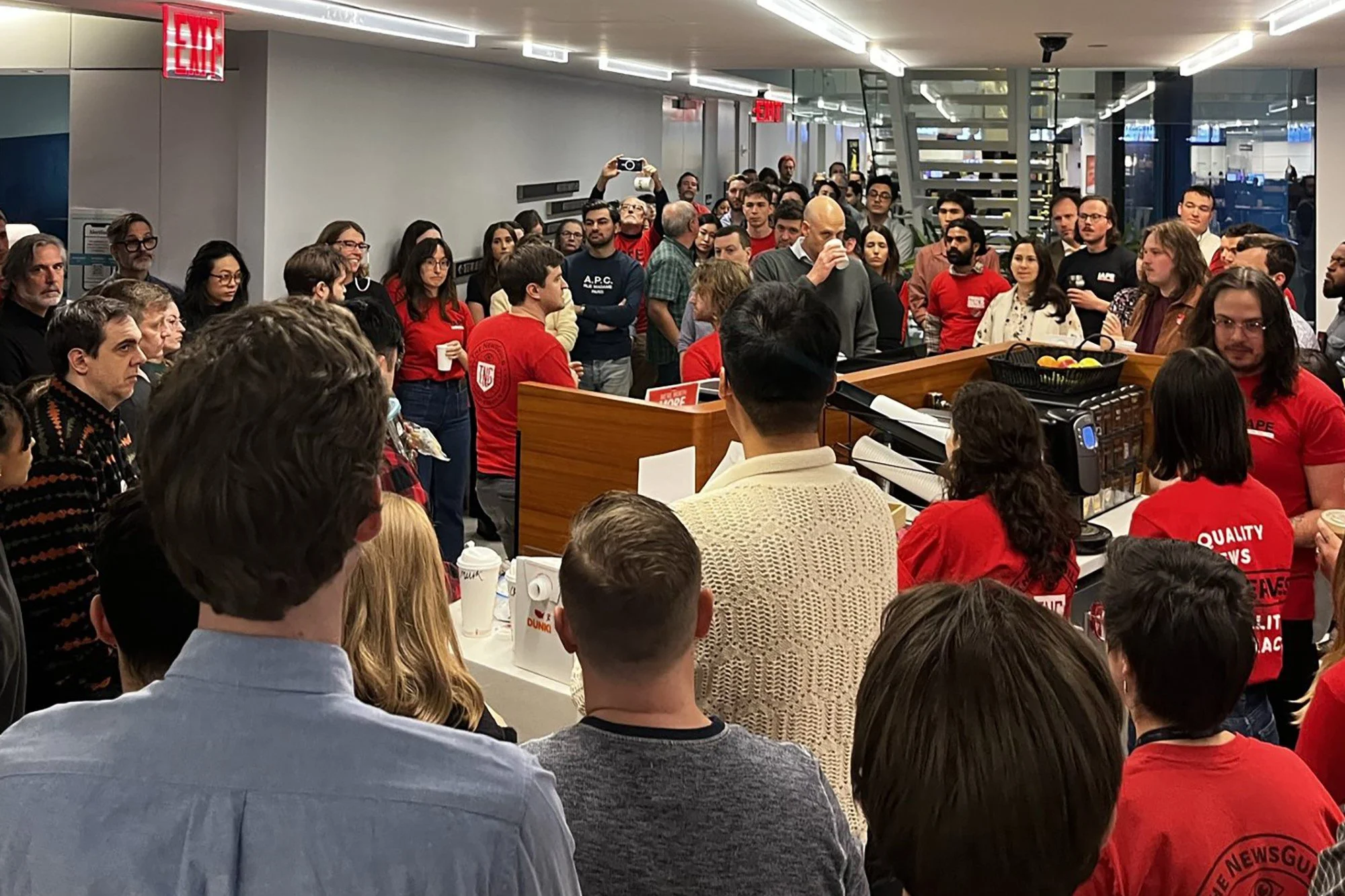
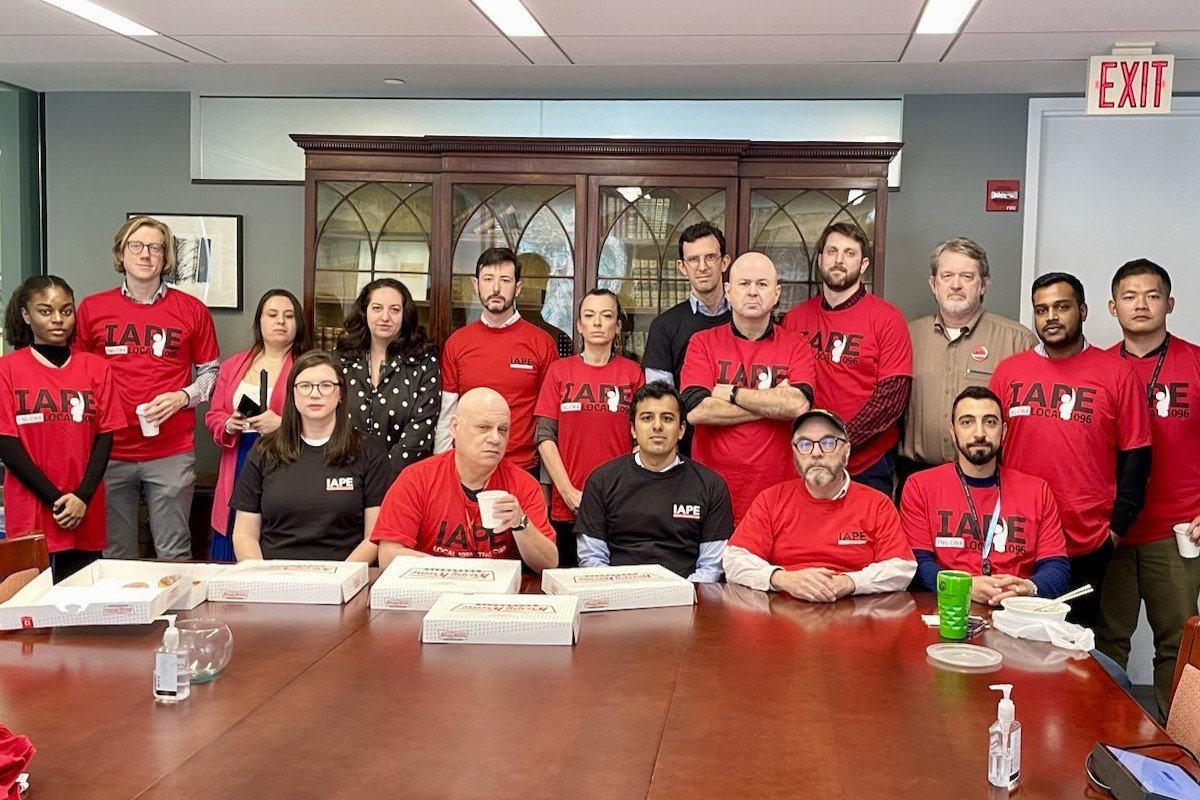
The Independent Association of Publishers' Employees (IAPE) is a union that has been run by and for the employees of Dow Jones for more than 80 years. Our elected officers and directors are your colleagues—full-time employees who volunteer their time to the Union.
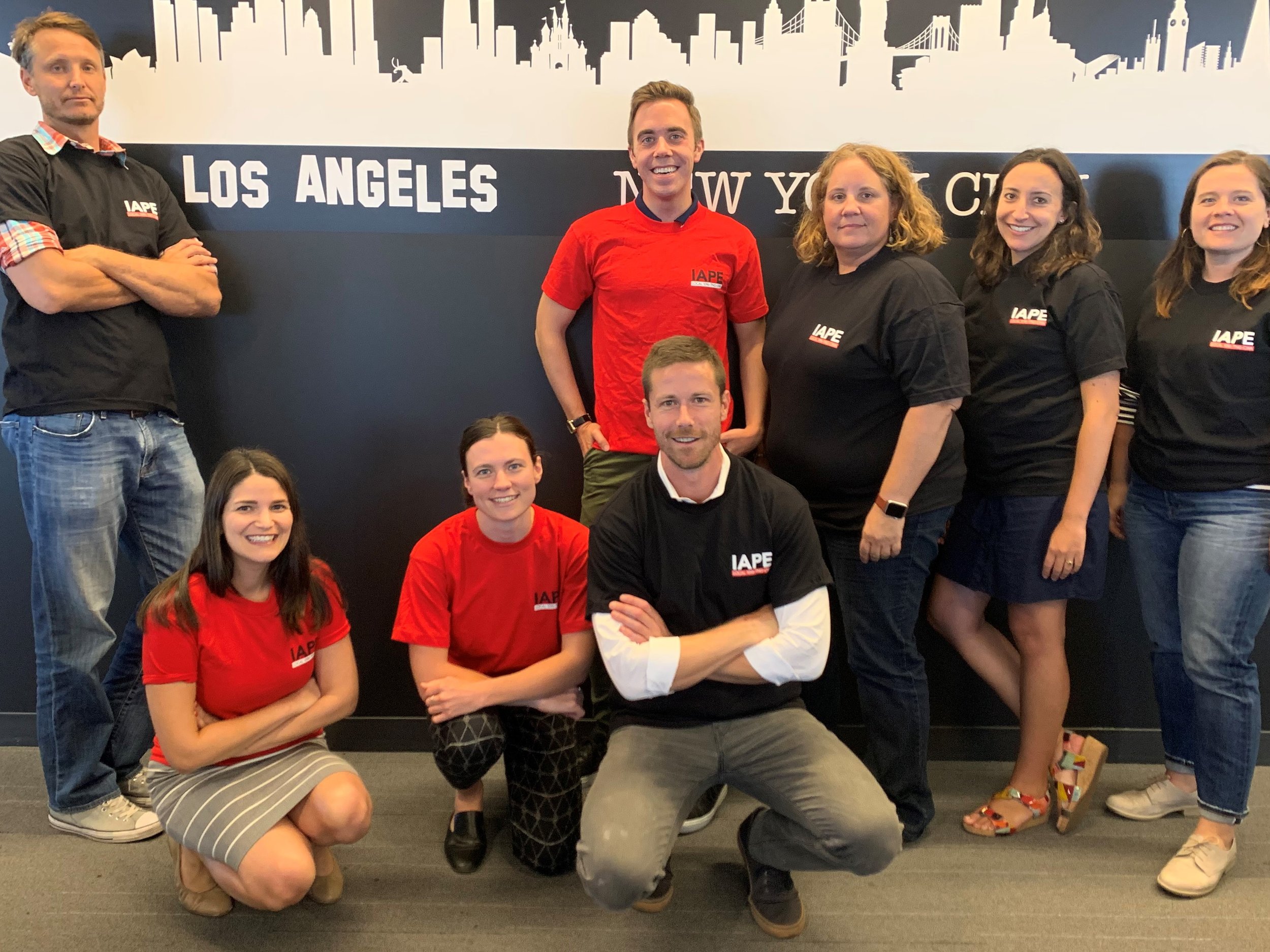
IAPE has more than 1,300 members in several locations throughout the U.S. and Canada. Our members hold a wide range of jobs—we represent reporters, software developers, computer technicians and programmers, sales professionals, customer service personnel and dozens of other titles. Together we help publish and distribute the print and digital versions of The Wall Street Journal and Barron's, and we work on products like Factiva and MarketWatch.
The benefits guaranteed under contract, including health insurance, retirement benefits, vacation days, and severance pay, have been fought for over years through the collective bargaining process.
Latest News:
Notice of Referendum to Approve Union Bylaws
October 31, 2025
Open Enrollment: Pay Attention to the Details
October 30, 2025
Let’s Update our Bylaws!
October 29, 2025
Contract 101: Open Enrollment; What’s a Layoff?
October 22, 2025
WSJ Mgmt Cuts Health & Science, Education Reporters
October 16, 2025
IAPE Board Approves Budget, Bylaws Referendum
October 15, 2025
Dow Jones to Outsource Finance Positions
October 8, 2025
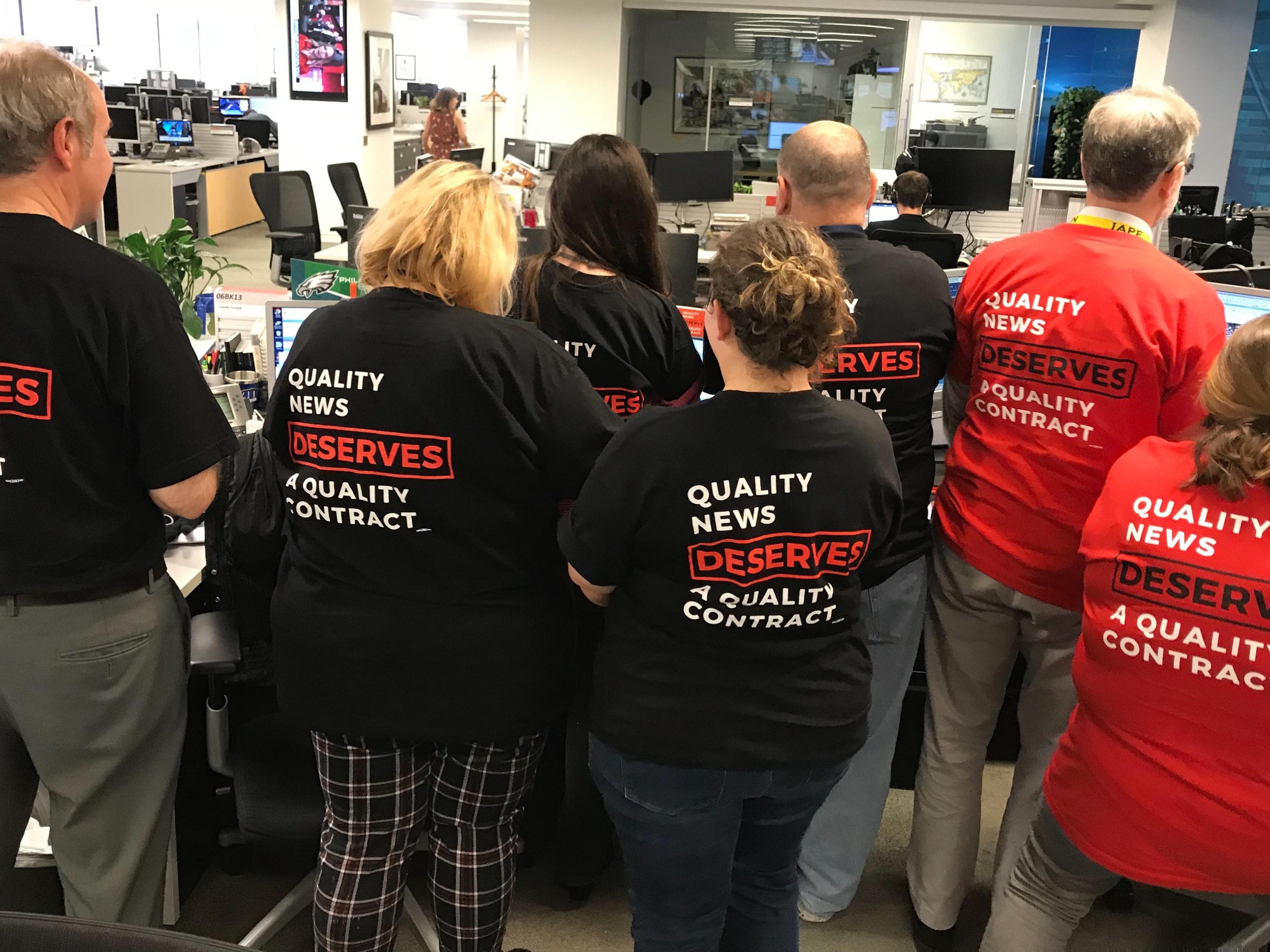
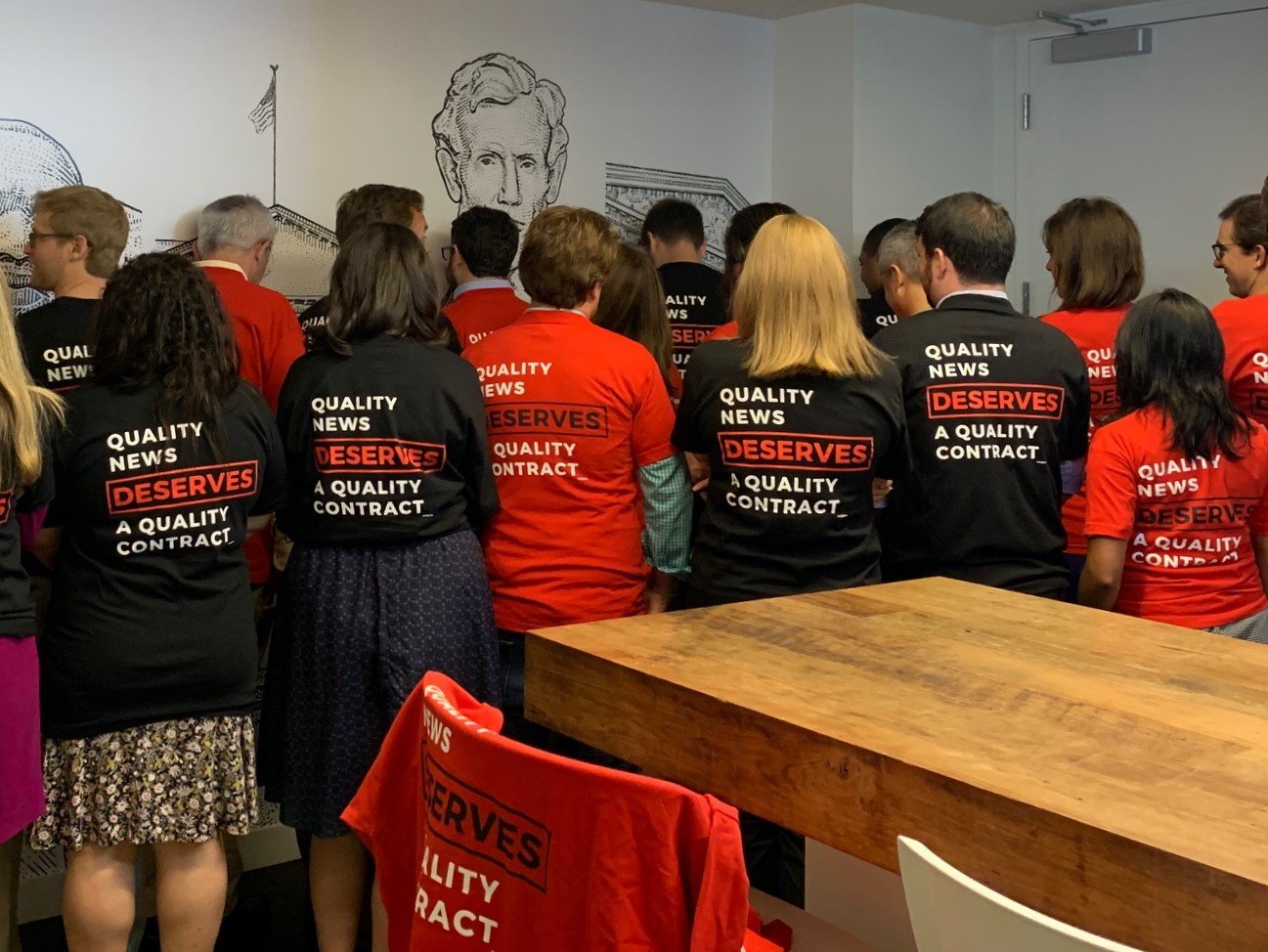



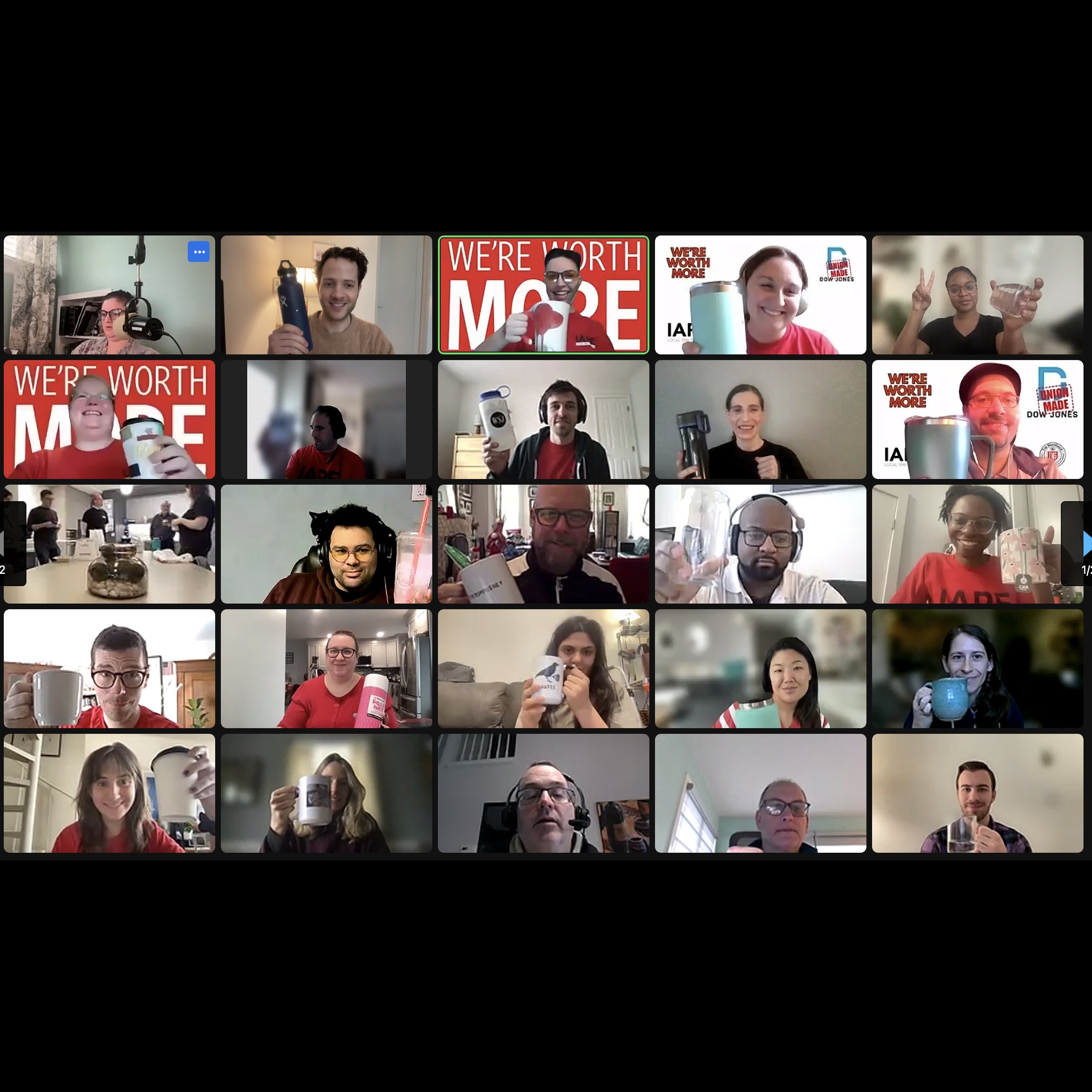
IAPE Training Program
Strengthening by Learning
An important way to keep the momentum up post-negotiations is to spend time on member education. We are launching a three part program with something for everyone. There will be sessions happening at least monthly in New York, Princeton, and now by Google Hangout as well! Stay tuned for dates.
IAPE 101: This class is the perfect orientation for those brand new to IAPE and veteran members alike.
Contract Class: Go in-depth on our contract to make it work for you. Learn about rules and rights at work and more.
Steward Training: If you have been thinking of getting more involved, join us for a new steward training!
Contract Fast Facts
GRIEVANCES and DISCIPLINE
If you’re called into a disciplinary meeting, you must receive two hours’ notice. You can request that a union representative attend as an observer. Find a union representative in your office.
Grievances must be submitted in writing, within 45 days after the alleged grievance occurred. If not resolved in timely fashion, the union can request arbitration.
OVERTIME and COMP TIME
Our official workweek is 35 hours. Overtime-eligible employees earn 1.5x pay for extra hours.
Employees who aren’t eligible for overtime can get comp time at 1.5x for hours worked on a scheduled day off, up to a maximum of 12 hours of comp time. You can cash out comp time after 30 days, or immediately with manager approval. If you work more than two hours on a scheduled vacation day, you get that day back.
Check out resources on comp time and overtime here.
